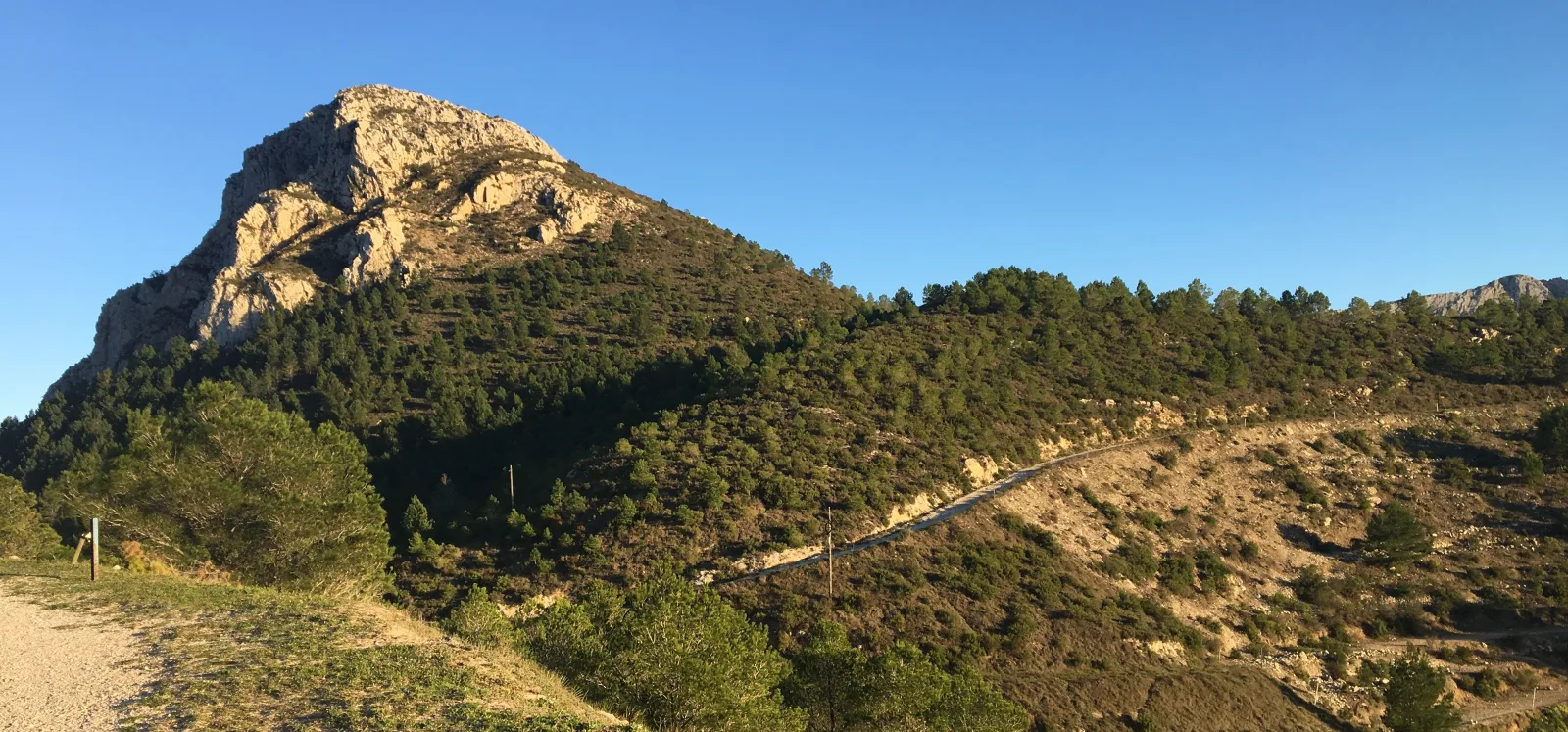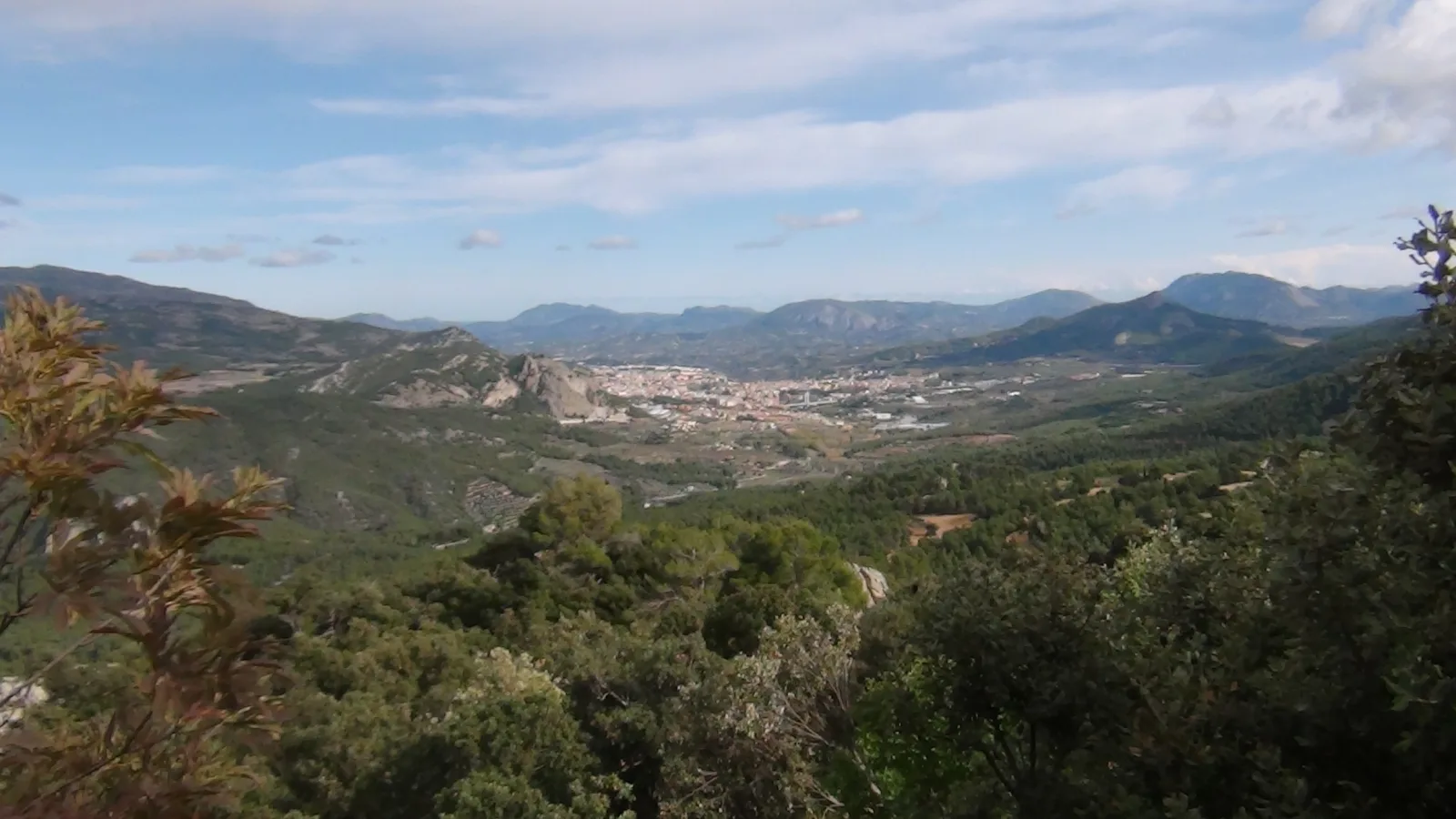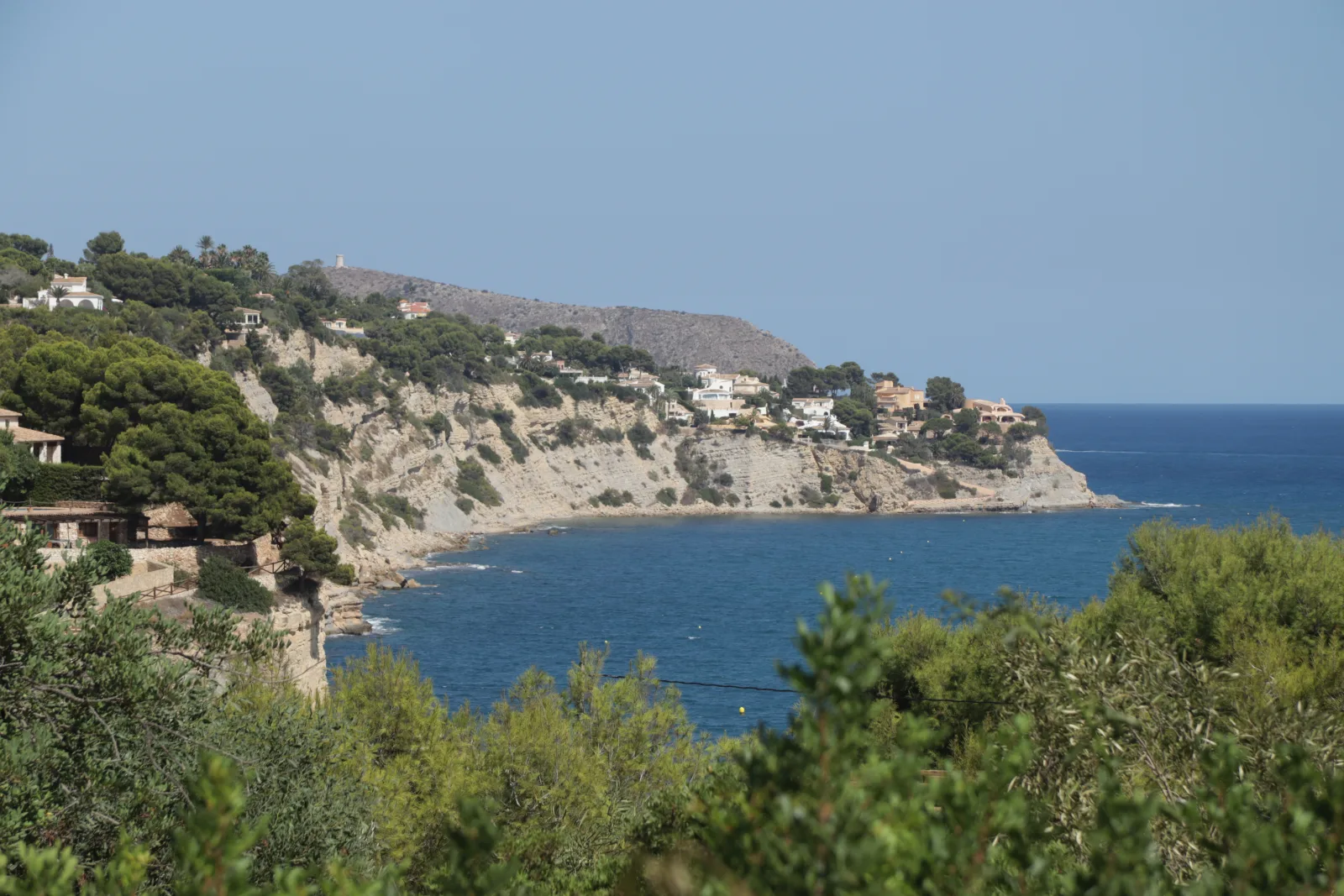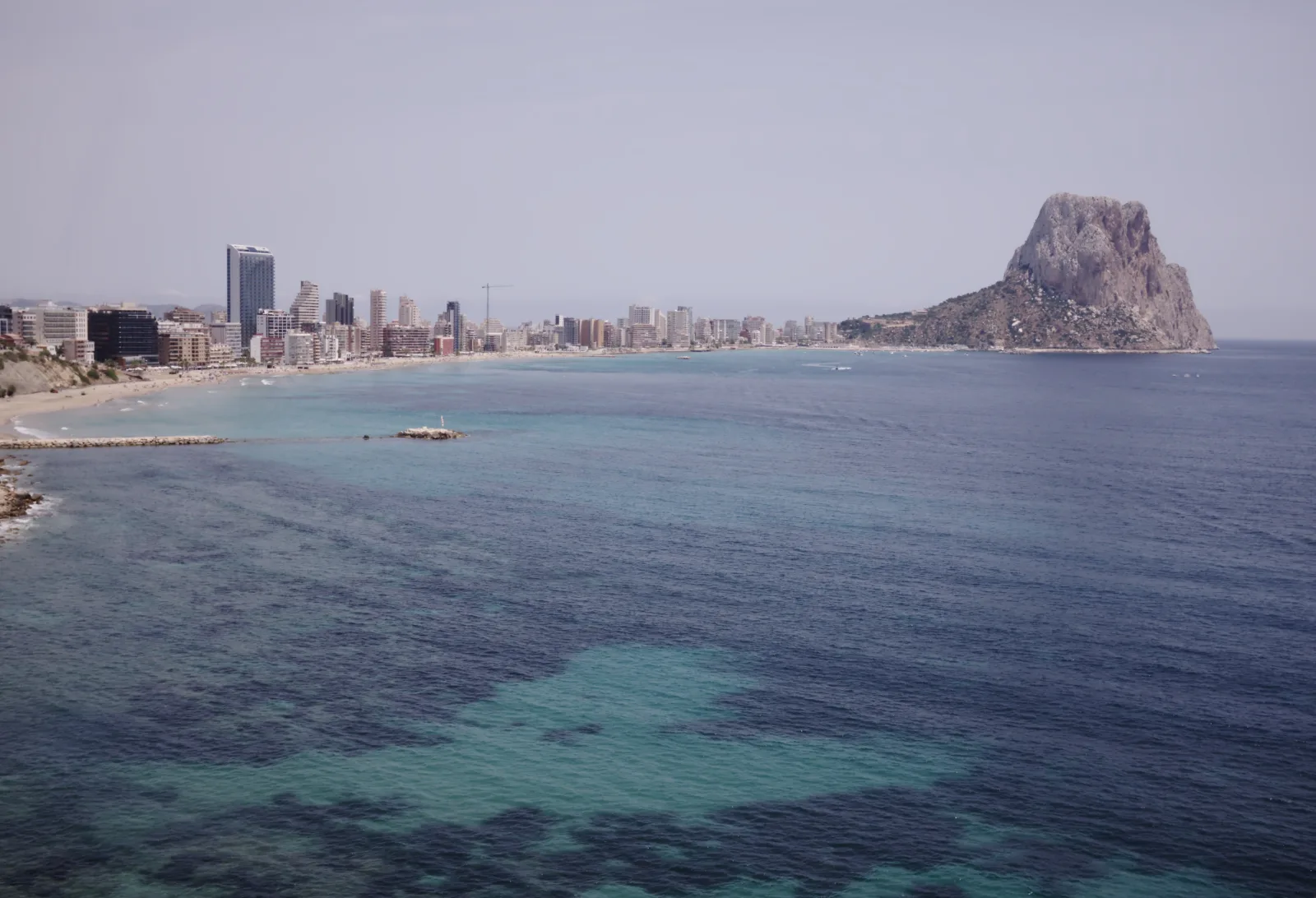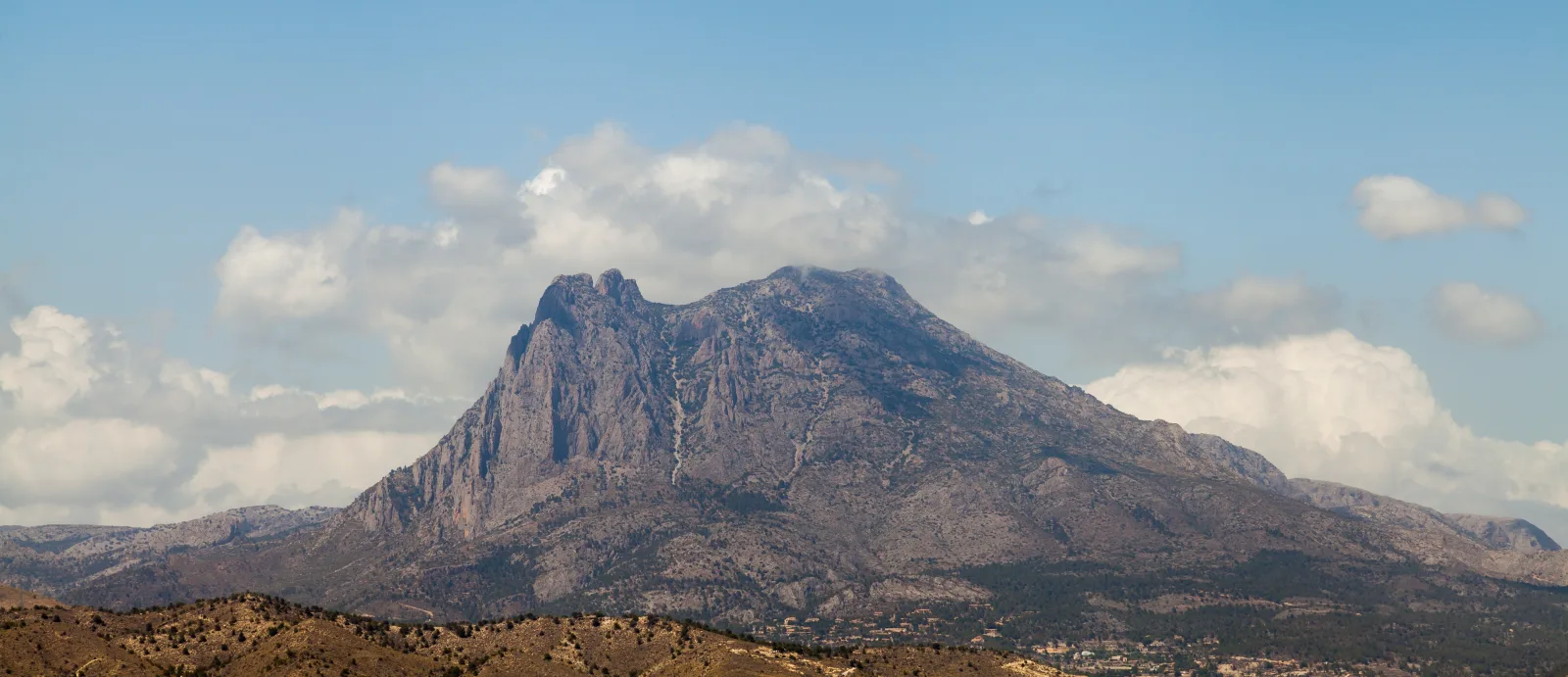
Rock above the Mediterranean in Calp, the Cabeçó d’Or landscape in Busot and the Puig Campana skyline in Finestrat: climbing opens another door to Alicante. Build the trip around an introductory guided day or a multi-pitch project, leaving time afterwards to explore the town where you are staying.
Four references to help you get your bearings
Turisme Comunitat Valenciana highlights the Peñón de Ifach in Calp, Cabeçó d’Or in Busot and the Puig Campana and Ponotx area around Finestrat. In Orihuela, FEMECV publishes specific information about Rincón de Bonanza. These are geographic references, not a list of open routes or beginner venues: identify the sector, climbing style and current conditions before choosing a wall.
Choose the experience you want to bring home
A guided session can be the centrepiece of a first climbing break; experienced climbers may build a trip around a particular wall. Match the choice to the approach, protection and descent as well as the grade. Confirm instruction, equipment and group size with the professional. Preparing the climb requires current technical information in addition to this travel guide.
Aspect, temperature and access shape the day
Choosing a season is not enough: sunny and shaded walls can present very different conditions. Review forecasts, wind, recent rain and daylight alongside local information about the rock. Check protected-area notices and climbing restrictions before travelling and again before the activity; an old topo does not confirm that access remains permitted.
Respect the wall and its surroundings
At Rincón de Bonanza, the federation distinguishes sectors and routes with different restrictions to protect flora. We therefore do not publish a single access calendar for the whole area. Follow current notices, use authorised approaches and avoid leaving litter or damaging vegetation. Choosing suitable equipment and checking its condition are part of preparation, even for a short outing.
STARTING POINTS
Give your trip a starting point.
Before you head out.
Is a famous climbing area suitable for my first climb?
Popularity does not determine difficulty or risk. Explain your experience to the professional organising the session and request a specific introductory activity. The approach, exposure and descent must also suit the group.
Do climbing and via ferrata require the same preparation?
No. They are different activities with specific techniques and equipment. Check which activity is offered and what training, equipment and supervision are included. Do not use the description of one activity to prepare for the other.
Where can I check restrictions on a climbing wall?
Consult FEMECV and the body managing the area, as well as local notices. Check the exact sector and route: conditions can vary within the same area. If you cannot confirm access, choose another activity.
Sources to plan your trip
- Turisme Comunitat Valenciana · Zonas de escalada en Alicante ↗
- FEMECV · Regulación del Rincón de Bonanza, Orihuela ↗
- AEMET · Predicción por municipios ↗
Editorial review: 2026-09-22
Make more of your escape.
Pair your sport with a stay, an experience or a moment of wellness.