Agost offers an inland outing built around something both ordinary and remarkable: turning clay into useful objects. Its museum helps explain the craft before you explore present-day production. You might come for cultural interest, look for a traditional water vessel or choose pots for a terrace; each purpose changes the questions worth asking. This guide separates heritage, workshop visits and purchases, with practical advice for confirming activities, choosing an appropriate piece and getting it home without last-minute improvisation.
Start at the museum to understand the whole craft
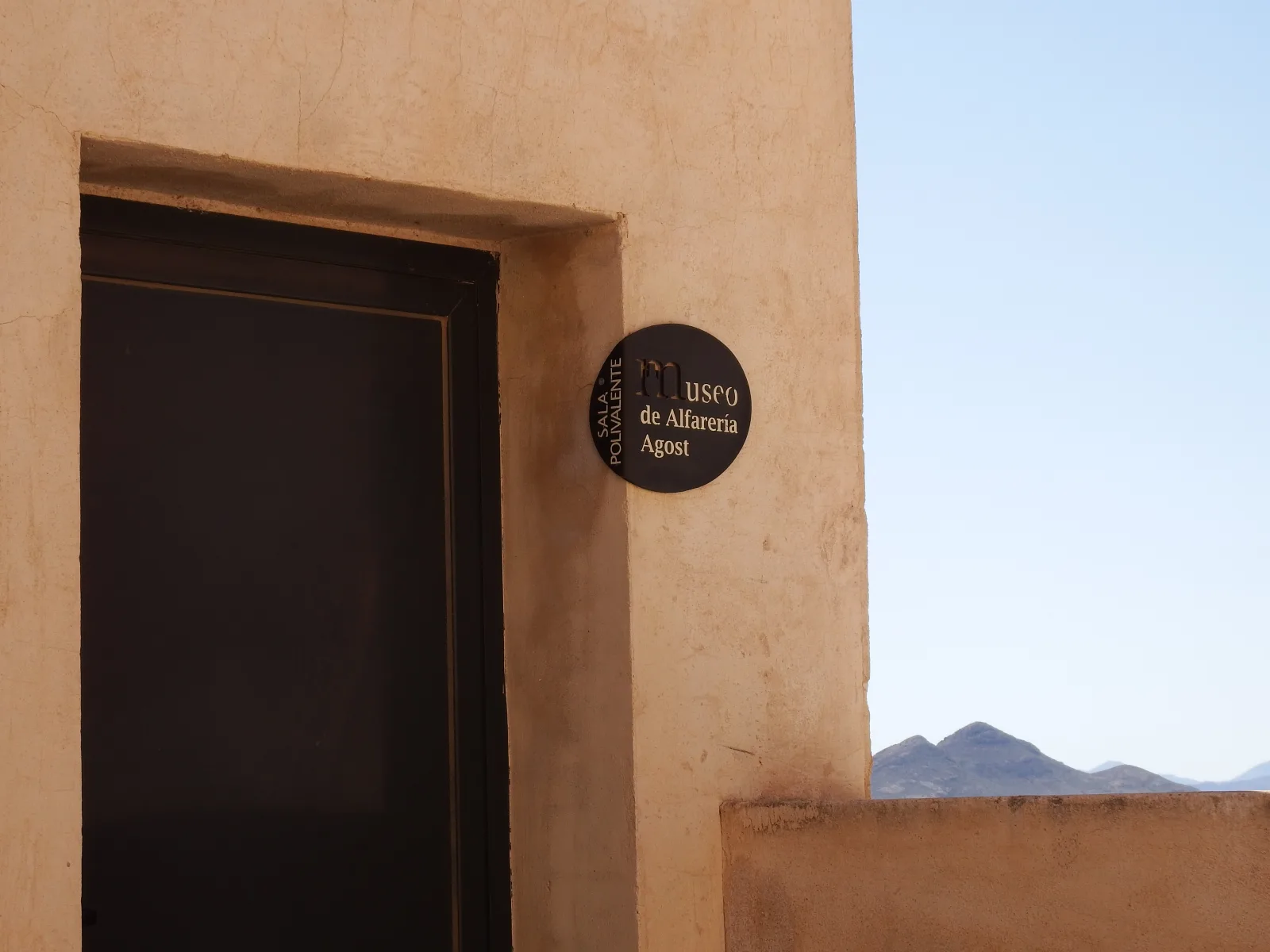
The Pottery Museum occupies the factory opened by Severino Torregrosa in 1902 and retains spaces from its original working life. That date helps put its Arab-type kilns in context: the technical name does not make the building a medieval factory. Notice how the workplace shaped the process and the objects produced. The collection invites questions about what pieces were used for, who used them and how they travelled. Visiting the museum first gives you better questions to ask later when comparing a historical object with something made for a contemporary home.
Look at the process as well as the display
The municipal exhibition explains clay preparation, shaping and firing, together with the relationship between material and place. Give attention to tools and to differences in form between objects made for different uses. A useful question is which stage of production explains a feature you can see. With children, choose a few objects and discuss how they might be held or what they were for, without touching the exhibits. You do not need to buy anything for the outing to be worthwhile: understanding a craft is another way to get to know the province.
Water vessels, tableware and decorative pieces differ
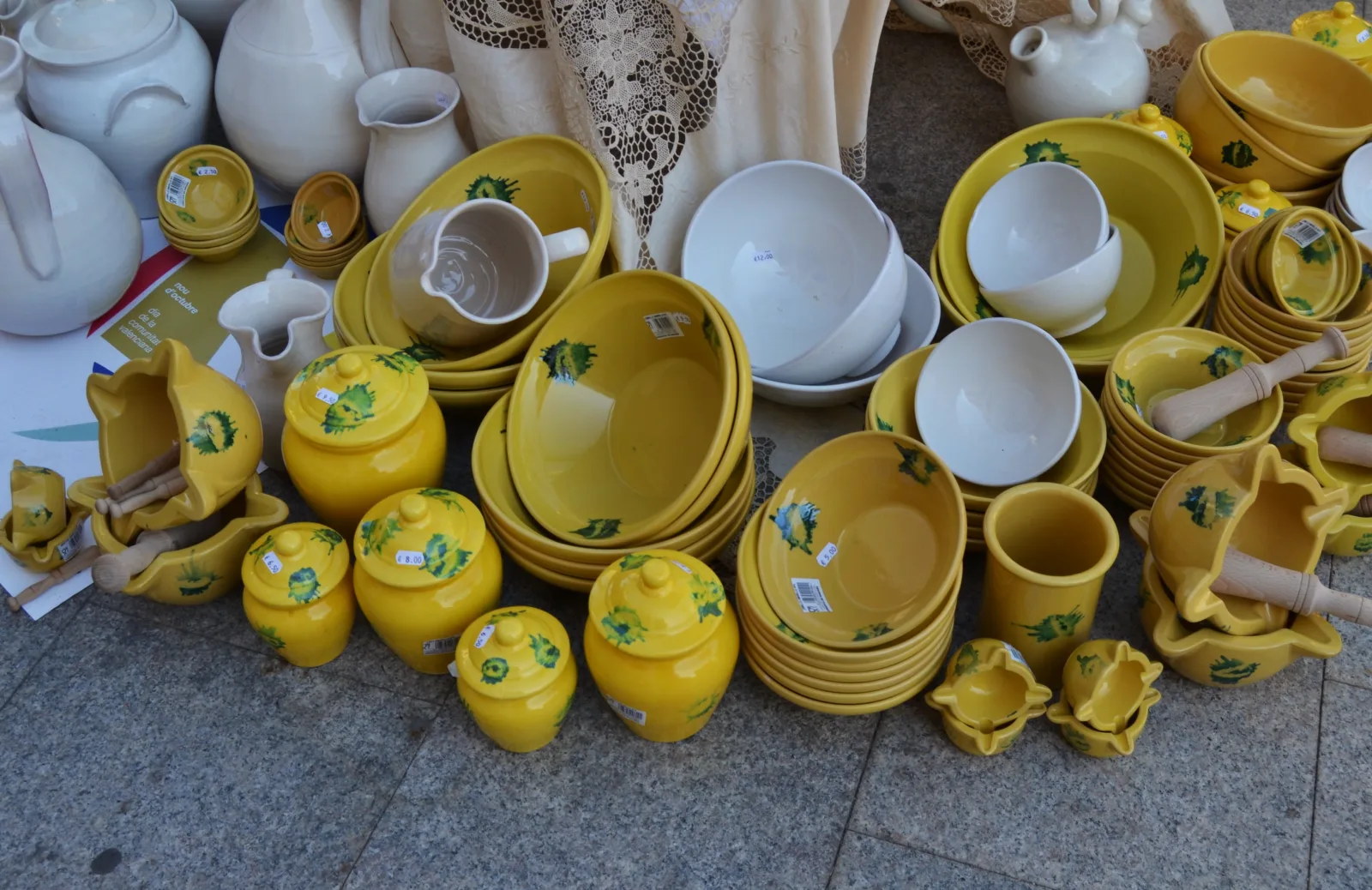
Before choosing, explain whether the piece is decorative or intended for contact with food or drinking water. Ask the producer to confirm its intended use and provide preparation, cleaning and care instructions. Do not assume every ceramic object is suitable for cooking, dishwashers or microwaves. Ask which clay is used, where it is made and what finish it has: colour alone cannot establish origin. For a traditional botijo water vessel, learning how to use and maintain it is part of the purchase. Keep the instructions with the receipt rather than relying on memory after the trip.
For plant pots, think about plant, drainage and position
Distinguish a pot with drainage from an outer decorative container holding another pot. Bring the required internal measurements, base diameter and space for a saucer. Ask about the empty weight and suitability for the intended location; we do not assume frost resistance or permanent outdoor suitability. For a commission, request dimensions after firing and agreed tolerances rather than only measurements of freshly shaped clay. For several pieces, agree finish and variation. Consider how you will clean the terrace and move the planted container without relying on handles that may be decorative.
Workshops and accessibility: confirm the actual experience
The museum's visitor page describes educational activities and explains that not every part of the historic building is accessible. Contact it for current opening arrangements, an appropriate accessible route and group visits. A school workshop does not imply a walk-in adult pottery-wheel session. If making a piece, ask about technique, duration, age, language and what happens afterwards: drying, firing, collection or shipping may extend beyond the activity day. Arrange an appointment with the operator before visiting a working pottery. The municipal directory helps identify businesses without making them AlicanteResort partners.
Allow time for the visit and protect your purchase
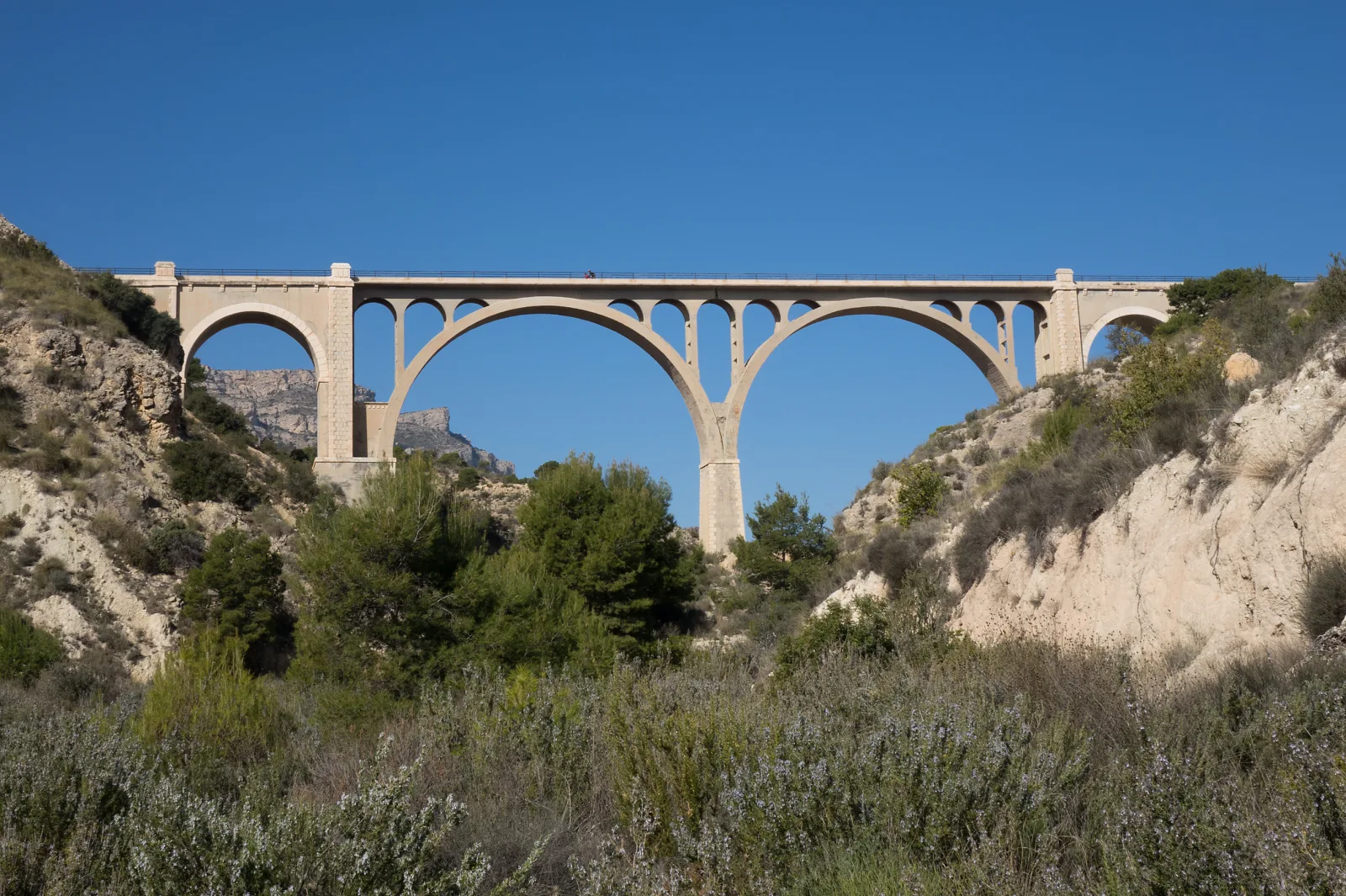
An outing can consist of the museum, a walk and lunch, or combine with a nearby activity researched separately. The Maigmó greenway has its own logistics and should not be added as though it starts at the museum door. For ceramic purchases, agree protective packing and prevent pieces knocking together during the rest of the journey. For shipping, ask for the full quote and damage procedure; for flying, check baggage with the airline. A large piece can await an agreed delivery. A good souvenir arrives intact and finds a use instead of forcing changes to your return journey.
A gift means more when you can explain it
When buying for somebody else, distinguish what appeals to you from what the recipient can actually use. A decorative object needs space and a functional vessel needs suitable instructions. Ask for the workshop name, material description and care guidance to include with the gift. Share what you learned at the museum without giving a newly made piece an invented age. That context turns a purchase into a shared story and avoids confusing traditional inspiration with an actual historical object.
Before your visit.
Are the museum and working potteries the same thing?
No. The museum preserves and interprets heritage in a former factory. Current businesses have their own premises and visiting arrangements. Confirm an educational activity, demonstration and purchase separately.
Can I take home a piece I make on the same day?
That depends on the activity and whether drying and firing are required. Before booking, ask what is included, the timescale and collection or shipping arrangements. We do not assume the piece is finished when the session ends.
Can every pot be planted directly and left outside?
Do not assume so. Ask about drainage, intended use, stated durability and any inner container or saucer. Finished dimensions and weight also matter for a terrace or for transporting your purchase.
Check the official sources.
Before travelling, check current notices, access arrangements, reservations and programmes with these sources.
- Turismo de Agost · Museo de Alfarería ↗
- Turismo de Agost · Exposición y proceso alfarero ↗
- Turismo de Agost · Visitas, actividades y accesibilidad ↗
- Ayuntamiento de Agost · Directorio de empresas ↗
- Turisme Comunitat Valenciana · Museu de Cantereria d’Agost ↗